

Claim Works are Accident Management Specialists Based In London
January 14, 2025

But what exactly is PAV?
Simply put, it’s the market value of your vehicle before it was involved in an accident. It’s influenced by various factors such as the car’s make, model, age, and mileage. Knowing how to calculate PAV can help you navigate the often complex world of insurance claims. It can also assist you in disputing an insurance company’s assessment of your vehicle’s worth.
In this article, we’ll delve into the importance of PAV, how it’s calculated, and why it matters in insurance claims. We’ll also provide insights into how Claim Works London can assist in managing insurance claims and PAV disputes.
So, let’s get started.
Understanding Pre-Accident Value (PAV)
Pre-accident value (PAV) is a term frequently used in insurance claims. It represents what your car was worth right before an accident happened. This valuation is important because it determines how much your insurer will pay if your vehicle is damaged. Insurers rely on PAV to decide if a car is repairable or a total loss.
Several factors influence the PAV of a vehicle. These include the car’s make, model, age, and mileage. All these elements can significantly impact a vehicle’s market value. Condition plays a crucial role in establishing PAV. A well-maintained car often holds more value than one that’s been poorly kept. Maintenance records can be useful in demonstrating this condition.
Furthermore, geographical location can affect PAV. The demand for specific vehicle models can vary greatly depending on the region. Appraisers often use industry guides to determine a car’s pre-accident value. These guides offer standardised values for various makes and models.
However, insurance companies might have their own methods of determining PAV. This can sometimes lead to disputes between you and the insurer. Understanding your car’s PAV helps you prepare for potential disagreements. It ensures you receive a fair settlement in insurance claims.
Familiarity with PAV also aids in negotiating car sales. Knowing your car’s worth enhances your bargaining power, whether selling privately or trading in. In summary, PAV is a critical element in car accident claims and negotiations. Comprehending this value equips you to make informed decisions about your vehicle.
How Pre-Accident Value is Calculated
Calculating the pre-accident value of a vehicle involves several steps. Each step ensures a fair assessment of the car’s worth before the accident. Firstly, appraisers evaluate the vehicle’s age. Older cars typically depreciate more than newer models. This depreciation affects how much your car is worth.
Mileage is another essential factor. High mileage can lower your vehicle’s pre-accident value, as it often signifies wear and tear. Condition is key. Signs of prior damage or poor maintenance can decrease the vehicle’s PAV. Well-kept cars usually fetch higher valuations.
The market demand for a specific make and model also plays a role. Popular models might have a higher PAV due to demand. Appraisers consider local market conditions, which can significantly affect a car’s value. For instance, certain models may be more valuable in urban areas.
Additional features, such as upgraded sound systems or luxury interiors, can increase a vehicle’s PAV. These extras might set your car apart from others. Insurers use data from various sources to substantiate their calculations. This data helps ensure assessments align with current market realities.
Accurate appraisals are vital. They protect you by guaranteeing your car receives a justified valuation in claims processes. Understanding these factors gives you a clearer picture of what to expect in an insurance evaluation. Knowledge is power when dealing with PAV.
The following checklist outlines the main components used in calculating PAV:
Age and Mileage:
How old is the car, and what is its mileage?
Car Condition:
Are there any signs of prior damage or poor maintenance?
Market Demand:
Is there high demand for your car's make and model?
Regional Factors:
How do local market conditions influence value?
Additional Features:
Does the car have extra features or upgrades that add value?
The Role of PAV in Insurance Claims
Pre-Accident Value (PAV) is crucial in the insurance claims process. It directly influences the compensation you may receive after an accident. Insurance companies rely on PAV to establish the vehicle’s worth before damage occurred. This value helps determine if your car is repairable or a total loss.
If repairs cost more than the PAV, insurers might declare the car a total loss. They will then compensate you based on the pre-accident value. Understanding PAV helps policyholders predict potential payouts. This knowledge can be advantageous in preparing financially after an accident.
The PAV also impacts settlements for total loss claims. Knowing your vehicle’s value ensures you receive a fair market compensation. Insurance adjusters use PAV to negotiate repair or replacement costs. A higher PAV can provide leverage in these discussions.
Disputes often arise over PAV assessments. Policyholders sometimes contest the value calculated by insurers if they deem it too low. Legal considerations involving PAV can complicate claims. Understanding how your policy addresses vehicle valuation helps avoid unexpected challenges. For many, receiving accurate compensation depends on a well-assessed PAV. It’s the cornerstone of a fair insurance settlement.
In summary, the PAV plays a pivotal role in deciding claim outcomes. Proper knowledge of this value enhances your position during claims.


The Difference Between PAV and Post-Accident Value
Understanding the distinction between Pre-Accident Value (PAV) and Post-Accident Value is essential for vehicle owners. Each value plays a unique role in the insurance process. PAV represents your vehicle’s market worth before any accident occurred. This figure is integral in deciding insurance payouts.
In contrast, Post-Accident Value reflects the car’s value after damage. It usually drops significantly due to wear or irreparable damage. Post-accident assessments help insurers decide repair feasibility. Vehicles often sustain damage reducing their value in the eyes of potential buyers.
Insurance companies calculate repair costs based on the vehicle’s diminished state. If repairs surpass the PAV, a total loss declaration is likely. The distinction between these values affects your financial outcome. Knowing both ensures accurate compensation during claims.
PAV is critical for maximising your claim, while Post-Accident Value highlights the practical aspects of damage assessment. Recognising the interplay between these values aids in navigating insurance negotiations effectively.
Diminished Value and Its Relation to PAV
Diminished Value (DV) is a key concept linked closely to Pre-Accident Value (PAV). It represents the reduction in a vehicle’s market worth after repairs. Despite seemingly complete repairs, a car often retains less value than before. This decrease happens because many buyers prefer untouched vehicles.
Diminished Value considerations are vital in insurance settlements. Insurance companies may not automatically compensate for DV unless specifically addressed. There are three types of Diminished Value: inherent, repair-related, and immediate. Inherent DV occurs due to the vehicle’s accident history alone.
Repair-related DV results from substandard repairs or remaining damages. Immediate DV encompasses the vehicle’s lowered value post-accident, before any repair. Understanding DV is crucial for effective claims negotiation. Assessing PAV accurately ensures fair compensation for the diminished worth.
Claim Works London can assist in disputes involving DV and PAV. They provide expertise in presenting strong cases against low valuation assessments. Gaining clarity on DV can greatly impact the financial recovery post-accident. Thus, it’s wise to address this aspect alongside PAV in any claim.
When Your Car is Considered a Total Loss
A car is deemed a total loss when repair costs surpass its pre-accident value. Insurers typically calculate repair costs alongside replacement and salvaging expenses. The threshold for declaring a total loss can vary by insurer. Some use a percentage of the pre-accident value to decide.
Total loss often applies when extensive damage makes repairs uneconomical. Situations include severe structural damage or safety compromise. For instance, a vehicle’s market value and repair costs are compared. If repairs exceed a set percentage, it becomes a total loss.
Insurance companies review multiple factors before deciding. These include the car’s age, condition, and pre-accident value. If a car is labelled a total loss, the owner usually receives a payout. This payout matches the vehicle’s assessed pre-accident value.
Understanding total loss criteria is crucial for policyholders. It affects not only compensation but also future vehicle purchase decisions.
Lastly, documenting vehicle condition before an accident helps. Good documentation can facilitate a fair valuation post-accident.
Factors Affecting Your Car's Pre-Accident Value
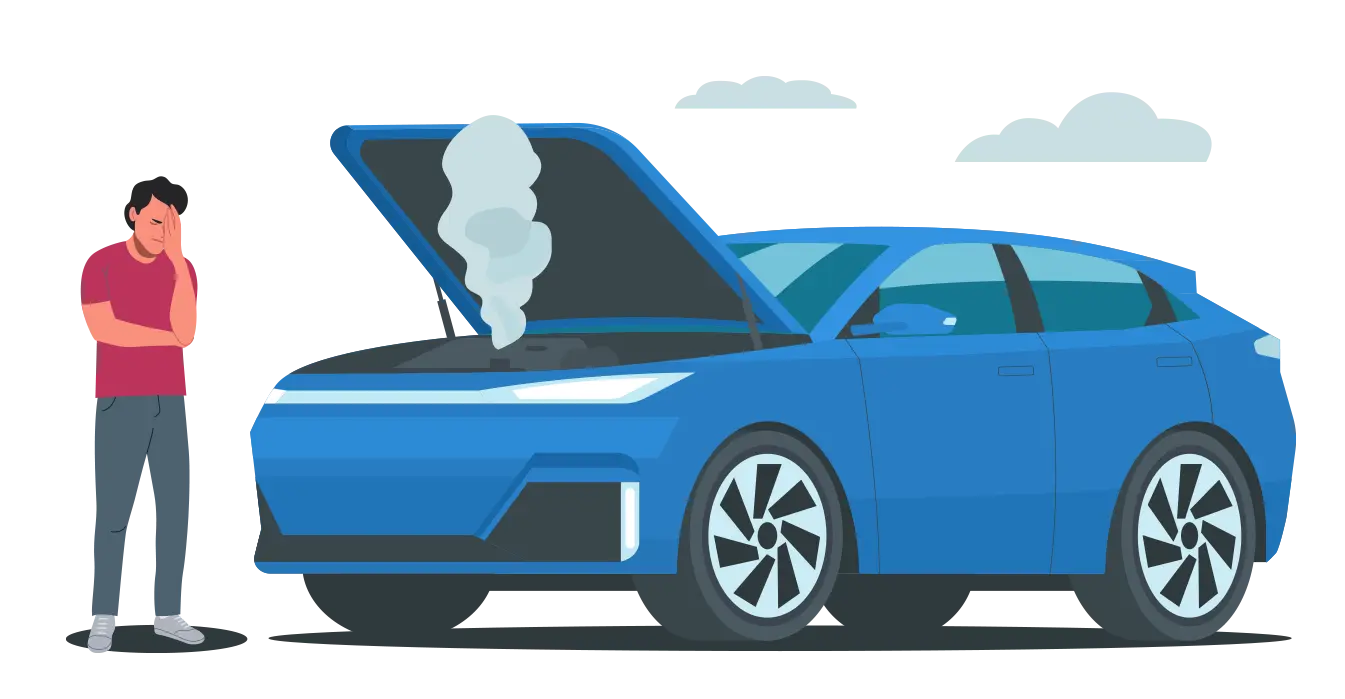
Your vehicle’s pre-accident value is influenced by numerous elements. Each plays a significant role in its overall worth. Firstly, the make and model of the car are critical. Popular brands often retain value better.
The age and condition of the vehicle also matter significantly. Newer cars generally have a higher pre-accident value. Mileage is another key factor. Lower mileage typically suggests less wear and tear.
Additional factors that can impact pre-accident value include:
- Vehicle maintenance history
- Market demand and consumer preferences
- Accident and repair history
- Modifications or customisations
A vehicle’s maintenance history greatly affects its value. Regular servicing can lead to a better valuation. Previous accidents or repairs might lower the pre-accident value. It’s crucial to maintain clear records.
Lastly, local market trends can influence value. Regional demand for certain vehicle types may vary.
The Importance of Documentation and Professional Appraisals
Accurate documentation is crucial when establishing pre-accident value (PAV). It supports your claim and helps avoid disputes. Keeping detailed records of regular maintenance is beneficial. It demonstrates the car’s good condition over time.
Professional appraisals provide an unbiased assessment. They are valuable when disputing an insurance company’s valuation. Documenting enhancements and upgrades can affect PAV positively. Include receipts for any modifications or custom parts.
Insurance companies rely heavily on documentation. Without it, proving your car’s value becomes challenging. An appraisal report offers a certified valuation. It is often recognised as credible evidence during claims. Thorough inspection results are also vital. They prevent unexpected surprises during the valuation process.
In summary, documentation and professional evaluations are essential. They ensure you receive a fair compensation from insurers.

Disputing the Insurance Company's PAV Assessment
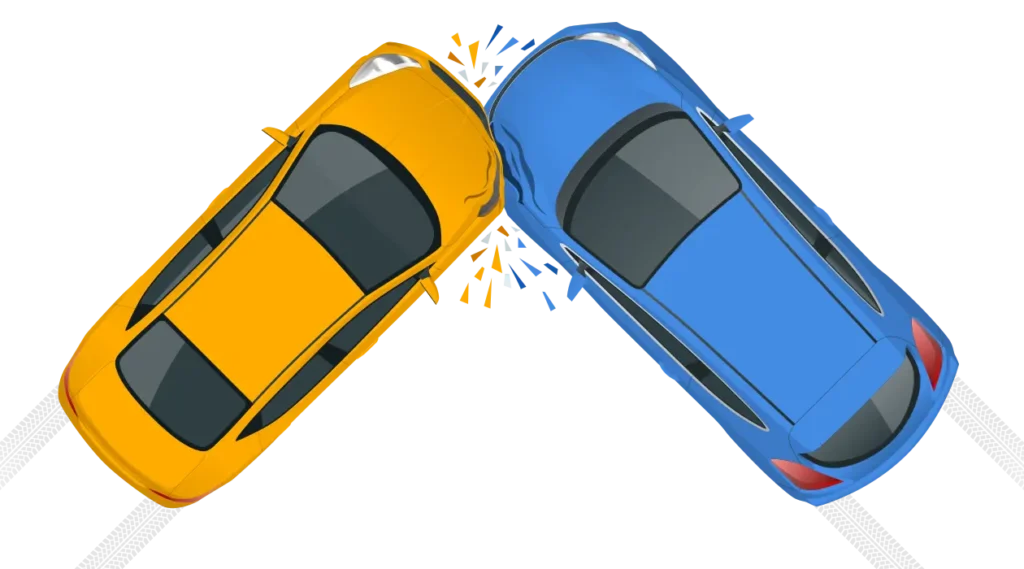
Disputing an insurer’s PAV assessment can be complex but necessary. Understanding your rights is the first step. Gather all relevant documents supporting your claim. These include maintenance records, previous appraisals, and receipts for upgrades.
Consider hiring an independent appraiser. A professional’s opinion may strengthen your case during negotiations. Communicate clearly and politely with the insurance adjuster. Present your evidence logically to back your disagreement.
If negotiations stall, you might need legal advice. An attorney can guide you through challenging disputes effectively.
Claim Works London: Navigating PAV Disputes and Insurance Claims
Claim Works London provides expert assistance in handling PAV disputes. They understand the intricacies of insurance claims. Their team guides clients through the claims process with expertise. They ensure every detail is addressed meticulously.
Claim Works London offers a comprehensive car valuation guide. This helps clients understand their vehicle’s worth pre-accident. The firm values transparency, helping clients feel confident. They strive to achieve fair compensation through informed negotiations.
Rely on Claim Works London for navigating the insurance landscape. Their experience helps secure the rightful pre-accident value.
Conclusion: Maximising Your Insurance Claim with Proper PAV Knowledge
Understanding pre-accident value (PAV) is crucial in insurance claims. It forms the basis of fair compensation for your vehicle. Knowledge of PAV helps you evaluate offers critically. It empowers you to dispute unfair assessments effectively.
Accurate documentation supports a favourable PAV assessment. Keep detailed records to enhance your claim’s credibility. Leveraging professional guidance, like Claim Works London, can be beneficial. Experienced professionals can navigate complex insurance protocols.
Being informed about PAV safeguards your financial interests. It ensures you receive the compensation you rightfully deserve. Understanding pre-accident value (PAV) is crucial in insurance claims. It forms the basis of fair compensation for your vehicle.
Knowledge of PAV helps you evaluate offers critically. It empowers you to dispute unfair assessments effectively. Accurate documentation supports a favourable PAV assessment. Keep detailed records to enhance your claim’s credibility.
Leveraging professional guidance, like Claim Works London, can be beneficial. Experienced professionals can navigate complex insurance protocols. Being informed about PAV safeguards your financial interests. It ensures you receive the compensation you rightfully deserve.


